Kuy Teav Cha Recipe – How to Make Cambodian Stir-Fried Rice Noodles
Kuy Teav Cha (គុយទាវឆា) is a popular Cambodian stir-fried noodle dish that showcases the versatility of kuy teav rice noodles beyond their well-known role in soup. Savory, aromatic, and lightly smoky, this dish is a staple in Khmer households and street food stalls, especially as a quick lunch or evening meal.
By combining soft rice noodles with garlic, vegetables, protein, and a balanced blend of sauces, Kuy Teav Cha delivers comfort and bold flavor in equal measure while highlighting the influence of Chinese stir-fry techniques adapted to Khmer taste.
What Is Kuy Teav Cha?
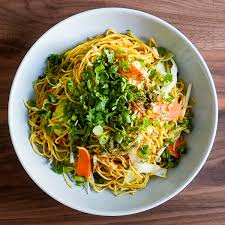
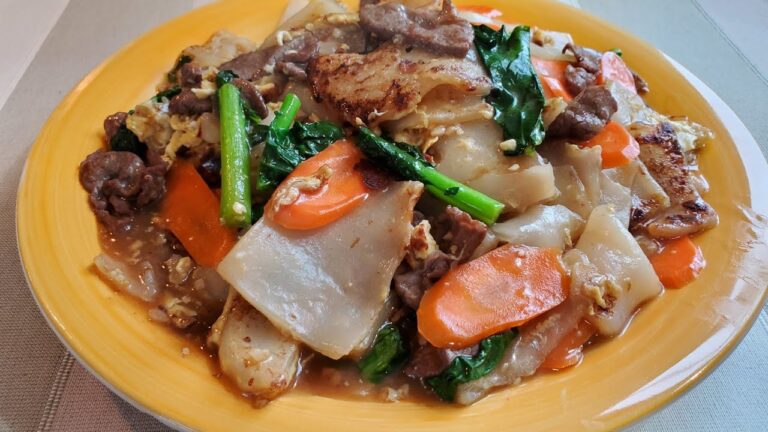
Kuy Teav Cha is the dry, stir-fried version of kuy teav noodles, which are thin rice noodles commonly used in Cambodian noodle soup. Instead of broth, the noodles are tossed in a hot wok with oil, aromatics, and seasonings such as fish sauce, soy sauce, and oyster sauce.
A scrambled egg is often mixed through the noodles, and the dish is finished with Kampot black pepper and fresh vegetables. It is typically served with chili sauce and lime wedges, allowing diners to customize heat and acidity.
Cultural Significance of Kuy Teav Cha
Kuy Teav Cha is a reflection of Cambodia’s practical, everyday cooking culture. Many families prepare it using leftover noodles or pantry staples, making it an economical and satisfying meal.
Like many Cambodian noodle dishes, it also demonstrates the blending of Khmer flavors with Chinese culinary influence, particularly in wok cooking and noodle preparation. This fusion has become an integral part of modern Cambodian food identity.
Key Ingredients in Kuy Teav Cha
Authentic Kuy Teav Cha relies on a simple but flavorful combination of ingredients:
- Kuy Teav Rice Noodles – thin, soft rice noodles
- Protein – beef, pork, chicken, shrimp, or Chinese sausage
- Garlic – essential aromatic base
- Eggs – scrambled into the noodles
- Soy Sauce – adds umami and color
- Oyster Sauce – enhances depth
- Fish Sauce – Khmer seasoning foundation
- Vegetables – bean sprouts, Chinese broccoli, cabbage, or scallions
- Kampot Black Pepper – signature aroma
- Vegetable Oil – for stir-frying
Step-by-Step Guide: How to Make Kuy Teav Cha
Ingredients (Serves 4)
- 400 g kuy teav rice noodles (fresh or dried, cooked)
- 250 g beef, pork, chicken, or shrimp, thinly sliced
- 2 eggs
- 3 cloves garlic, minced
- 2 tbsp vegetable oil
- 1½ tbsp soy sauce
- 1 tbsp oyster sauce
- 1 tsp fish sauce
- ½ tsp Kampot black pepper
- 1½ cups mixed vegetables (bean sprouts, cabbage, scallions)
- Optional: chili sauce and lime wedges for serving
Instructions
Step 1: Prepare the Noodles
If using dried noodles, cook according to package instructions until just tender. Drain and rinse briefly with cold water to prevent sticking. Set aside.
Step 2: Heat the Wok
Heat a wok or large pan over high heat. Add vegetable oil and minced garlic, stirring quickly until fragrant.
Step 3: Cook the Protein
Add the sliced protein to the wok and stir-fry until nearly cooked through.
Step 4: Add Eggs
Push the protein aside, crack eggs into the wok, scramble lightly, then mix together.
Step 5: Add Noodles and Seasoning
Add the noodles, followed by soy sauce, oyster sauce, fish sauce, and Kampot pepper. Toss quickly to coat evenly.
Step 6: Add Vegetables
Add vegetables and stir-fry until just tender but still crisp.
Step 7: Serve Hot
Remove from heat and serve immediately with chili sauce and lime wedges on the side.
Flavor and Texture Profile
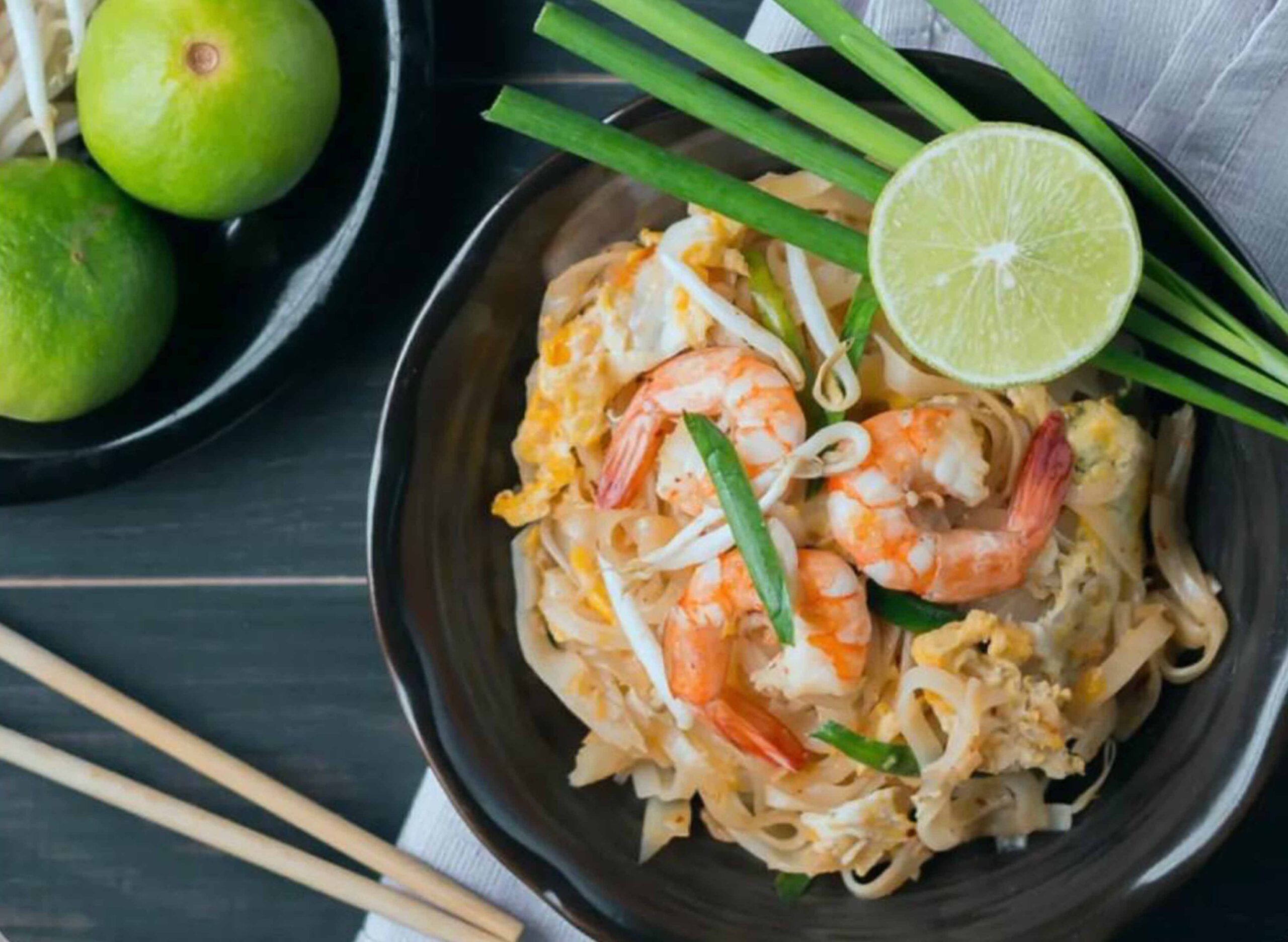
Kuy Teav Cha is savory, lightly smoky, and aromatic, with soft rice noodles absorbing umami-rich sauces. The fish sauce provides depth, while Kampot pepper adds warmth. Fresh vegetables and lime help balance richness and enhance overall freshness.
Tips for Perfect Kuy Teav Cha
- Use high heat for authentic wok flavor
- Avoid overcooking noodles to maintain texture
- Adjust sauce quantities gradually to prevent oversalting
- Serve immediately for best taste and consistency
Why You Should Try Cooking Kuy Teav Cha
Cooking Kuy Teav Cha at home offers a practical and flavorful introduction to Cambodian stir-fried noodle dishes. It is fast, flexible, and deeply comforting, making it ideal for both beginner cooks and experienced home chefs.
By mastering Kuy Teav Cha, you gain insight into Khmer everyday cuisine and the adaptability of Cambodia’s most iconic noodles.