Kdam Chha Mrich Kchhei – Cambodian Stir-Fried Crab with Green Peppercorns
Kdam Chha Mrich Kchhei (ក្តាមឆាម្រេចខ្ចី) is one of Cambodia’s most iconic seafood dishes, celebrated for its bold aroma, peppery heat, and deep connection to the coastal province of Kep. This stir-fried crab dish features fresh blue crab cooked with young green peppercorns, garlic, and savory seasonings, creating a flavor profile that is both intense and balanced.
Often regarded as a symbol of Khmer coastal cuisine, Kdam Chha Mrich Kchhei showcases the harmony between fresh seafood and Kampot pepper, an ingredient internationally recognized for its quality and complexity.
What Is Kdam Chha Mrich Kchhei?
Kdam Chha Mrich Kchhei translates to “stir-fried crab with fresh green pepper.” The dish is prepared by quickly stir-frying cleaned crab pieces with garlic, fish sauce, and clusters of unripe green peppercorns. Unlike dried black pepper, green peppercorns deliver a sharp, herbal heat that is fragrant rather than overpowering.
The dish is traditionally cooked whole and eaten communally, with diners cracking the shells to savor the sweet crab meat infused with peppery sauce.
Cultural and Regional Significance
Kdam Chha Mrich Kchhei is deeply tied to Kep’s seaside food culture. Crab vendors along the coast cook the dish to order, using freshly caught crab and locally grown Kampot pepper. The pairing of crab and green peppercorns has become a culinary emblem of southern Cambodia.
Beyond Kep, the dish represents Khmer cooking philosophy simple ingredients, minimal manipulation, and maximum respect for natural flavor.
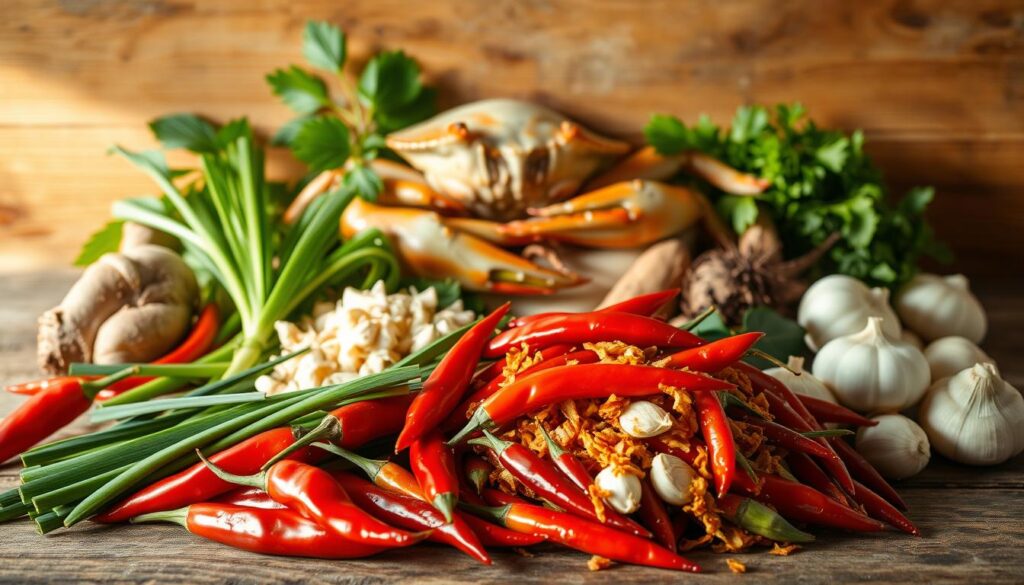
Key Ingredients in Kdam Chha Mrich Kchhei
Authentic preparation depends on freshness and restraint:
- Fresh Crab – blue crab or mud crab, cleaned and cracked
- Green Peppercorns (Mrich Kchhei) – young, aromatic clusters
- Garlic – primary aromatic
- Fish Sauce – savory foundation
- Oyster Sauce – optional depth
- Sugar or Palm Sugar – light balance
- Vegetable Oil – for stir-frying
- Water or Crab Stock – small amount for sauce
Step-by-Step Guide: How to Cook Kdam Chha Mrich Kchhei
Ingredients (Serves 4)
- 1.5 kg fresh crab, cleaned and chopped
- 3–4 clusters green peppercorns, lightly crushed
- 4 cloves garlic, minced
- 2 tbsp vegetable oil
- 2 tbsp fish sauce
- 1 tbsp oyster sauce (optional)
- ½ tsp sugar or palm sugar
- ¼ cup water or light stock
Instructions
Step 1: Prepare the Crab
Clean the crab thoroughly, removing gills and inedible parts. Crack the claws and body to allow flavor to penetrate.
Step 2: Heat the Wok
Heat a large wok or pan over high heat. Add vegetable oil and garlic, stir-frying briefly until fragrant.
Step 3: Stir-Fry the Crab
Add the crab pieces and toss quickly to coat in oil and garlic.
Step 4: Season and Simmer
Add fish sauce, oyster sauce if using, sugar, and water. Stir well, cover, and allow the crab to cook and release its juices.
Step 5: Add Green Peppercorns
When crab is nearly cooked, add green peppercorns. Toss gently and cook uncovered for 2–3 minutes to preserve aroma.
Step 6: Finish and Serve
Taste and adjust seasoning. Remove from heat and serve immediately.
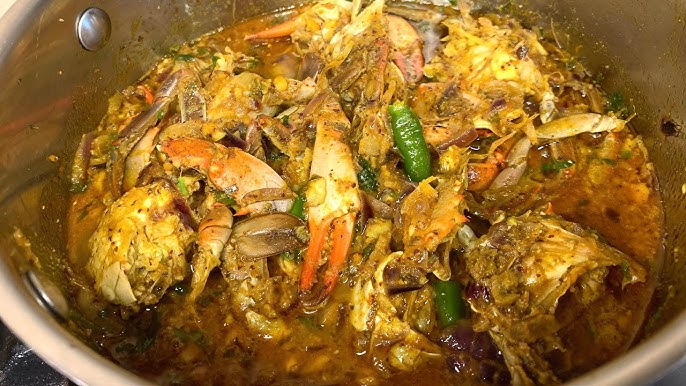
Flavor and Texture Profile
Kdam Chha Mrich Kchhei is peppery, savory, and aromatic, with sweet crab meat balanced by the sharp, herbal heat of green peppercorns. The sauce is light yet deeply flavorful, coating the crab without masking its natural sweetness.
Tips for Authentic Flavor
- Use the freshest crab available
- Do not overcook the peppercorns
- Avoid heavy sauces that overpower crab flavor
- Serve immediately for best texture and aroma
How to Serve Kdam Chha Mrich Kchhei
The dish is traditionally served with steamed jasmine rice, which absorbs the peppery sauce. Many Cambodians also enjoy it with plain bread to soak up the flavorful juices.
Why You Should Try Kdam Chha Mrich Kchhei
This dish is a definitive expression of Cambodian coastal cuisine, combining local seafood and Kampot pepper into a preparation that is both rustic and refined. Cooking it at home offers a direct connection to Kep’s food culture and Cambodia’s culinary heritage.