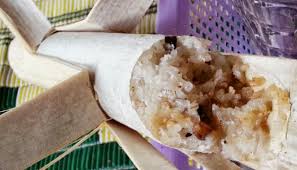
Kralan Recipe – Traditional Cambodian Bamboo Sticky Rice
Kralan (ក្រឡាន) is one of Cambodia’s most iconic traditional snacks, made from glutinous rice, coconut milk, black beans, and palm sugar, slowly cooked inside bamboo tubes over an open fire. Deeply aromatic and naturally sweet, Kralan is commonly found at roadside stalls, temples, and festivals across Cambodia, especially in provinces such as Kampong Cham, Siem Reap, and Battambang.
More than just a snack, Kralan represents communal cooking, seasonal celebration, and the ingenuity of Khmer food culture.
What Is Kralan?
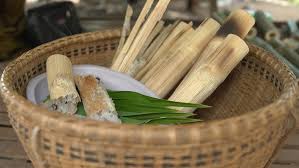
Kralan is a bamboo-roasted sticky rice dessert. Raw glutinous rice is mixed with coconut milk, soaked black beans, sugar, and salt, then packed into fresh bamboo tubes and roasted slowly over charcoal or firewood.
The bamboo acts as both cooking vessel and flavor enhancer, imparting a subtle smoky aroma while steaming the rice evenly.
Cultural Significance of Kralan in Cambodian Cuisine
Kralan is deeply tied to Cambodian rural life and festivals, particularly:
- Khmer New Year
- Pchum Ben
- Temple ceremonies
- Family gatherings
Traditionally, families prepare Kralan together, rotating bamboo tubes over fire and sharing stories while cooking. The dish reflects Khmer values of patience, cooperation, and respect for natural materials.
Key Ingredients in Kralan
Authentic Kralan relies on simple, locally sourced ingredients:
- Glutinous (sticky) rice
- Coconut milk
- Black beans
- Palm sugar
- Salt
- Fresh bamboo tubes
Banana leaves are sometimes used to seal the bamboo openings.
Flavor Profile and Texture
Properly cooked Kralan is:
- Creamy and tender inside
- Lightly sweet with coconut richness
- Balanced with subtle saltiness
- Infused with smoky bamboo aroma
The rice should be fully cooked but not mushy, with evenly distributed beans throughout.
Step-by-Step Guide: How to Make Kralan
Ingredients (Makes 6–8 bamboo tubes)
- 500 g glutinous rice
- 150 g black beans
- 400 ml coconut milk
- 80–100 g palm sugar (adjust to taste)
- 1 tsp salt
- Fresh bamboo tubes (about 30–40 cm long)
- Banana leaves (optional, for sealing)
Instructions
Step 1: Soak the Rice and Beans
Soak glutinous rice and black beans separately in water for at least 6 hours or overnight. Drain well.
Step 2: Prepare the Coconut Mixture
In a bowl, combine coconut milk, palm sugar, and salt. Stir until the sugar dissolves.
Step 3: Mix the Ingredients
Combine soaked rice and beans with the coconut mixture, ensuring even coating.
Step 4: Prepare the Bamboo
Clean bamboo tubes thoroughly. One end should remain naturally sealed.
Step 5: Fill the Bamboo Tubes
Spoon the mixture into bamboo tubes, filling only two-thirds full to allow expansion.
Step 6: Seal the Tops
Cover the open end with banana leaves or foil to prevent spillage.
Step 7: Roast Over Fire
Place bamboo tubes over medium fire or charcoal. Rotate frequently to ensure even cooking.
Step 8: Cook Slowly
Roast for 60–90 minutes until the rice is fully cooked and fragrant.
Step 9: Rest and Peel
Let cool slightly, then peel back the bamboo to serve.
How to Serve Kralan
Kralan is typically enjoyed:
- Warm or at room temperature
- As a snack or dessert
- With tea or coffee
It is often sliced into rounds and shared communally.
Tips for Authentic Kralan
- Use fresh bamboo for best aroma
- Rotate constantly to avoid burning
- Do not overfill bamboo tubes
- Adjust sugar depending on coconut milk sweetness
Modern Variations of Kralan
- Durian Kralan – richer and more aromatic
- Corn Kralan – adds sweetness and texture
- Purple Rice Kralan – visually striking and nutty
Despite variations, the traditional method remains the most celebrated.
Why Kralan Endures as a Cambodian Favorite
Kralan endures because it connects food with tradition, environment, and community. Its slow cooking process and reliance on natural materials make it a living example of sustainable Khmer cooking practices.
Learning to make Kralan is not just about preparing food it is about preserving Cambodian culinary heritage.