Chrouk Spey Recipe – Traditional Cambodian Pickled Mustard Greens
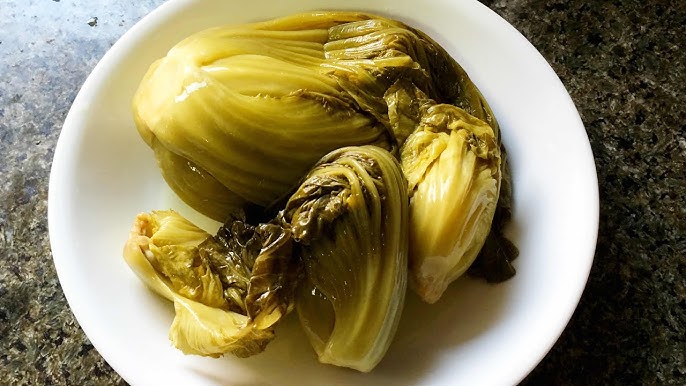
Chrouk Spey (ជ្រក់ស្ពៃ) is a traditional Cambodian fermented vegetable dish made from pickled mustard greens. Crisp, tangy, and lightly salty, it is a staple condiment in Khmer cuisine, commonly served alongside grilled meats, rice porridge, noodle soups, or fried dishes.
This simple fermentation recipe reflects the Cambodian approach to food preservation using sunlight, salt, and time to create bold flavors that balance rich or savory meals.
What Is Chrouk Spey?
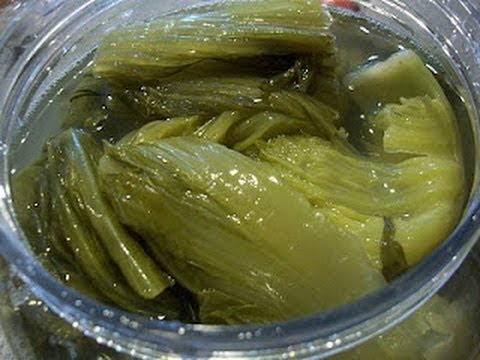
Chrouk Spey refers specifically to naturally fermented mustard greens, preserved in a salt brine and left to ferment at room temperature. Unlike quick pickles, this method relies on lactic acid fermentation, producing a sour, crunchy texture with depth of flavor.
It is similar in concept to other Southeast Asian pickled greens but remains distinct due to its preparation method and mild sweetness.
Cultural Importance of Pickled Greens in Cambodian Cuisine
Fermented vegetables play an essential role in Cambodian food culture.
Chrouk Spey is valued for:
- Enhancing appetite
- Balancing fatty or grilled dishes
- Improving digestion
- Extending shelf life of fresh produce
Historically, fermentation allowed households to preserve vegetables during harvest seasons, making Chrouk Spey a common presence in both rural and urban kitchens.
Ingredients Used in Chrouk Spey
Traditional Chrouk Spey requires only a few ingredients:
- Mustard greens
- Water
- Salt
- Sugar
Optional additions such as raw rice or garlic are sometimes included to encourage fermentation or add aroma.
Flavor Profile and Texture
Properly fermented Chrouk Spey is:
- Tangy but not overpowering
- Crunchy and refreshing
- Mildly salty with subtle sweetness
The flavor deepens over time, making it suitable for both immediate use and longer storage.
Step-by-Step Guide: How to Make Chrouk Spey
Ingredients
- 1.5–2 lbs fresh mustard greens
- 1 liter water
- 100 g salt
- 1 tablespoon sugar
- Optional: 1 tablespoon raw rice or a few garlic cloves
Instructions
Step 1: Wash the Mustard Greens
Rinse mustard greens thoroughly to remove dirt and grit.
Step 2: Sun-Dry the Greens
Lay the greens under direct sunlight for about 1 hour until slightly wilted. This step removes excess moisture and improves texture.
Step 3: Prepare the Brine
Boil the water, then dissolve salt and sugar completely. Allow the brine to cool to room temperature.
Step 4: Pack the Greens
Tightly pack the mustard greens into a clean glass jar or fermentation container.
Step 5: Add Optional Fermentation Boosters
Add raw rice or garlic if using. These help encourage fermentation and add complexity.
Step 6: Pour the Brine
Pour cooled brine over the greens, ensuring they are fully submerged.
Step 7: Ferment
Cover loosely and leave at room temperature for 3–5 days. Taste daily after day three.
Step 8: Store
Once tangy and crunchy, seal the jar and refrigerate to slow fermentation.
How to Serve Chrouk Spey
Chrouk Spey is commonly served with:
- Grilled pork or beef
- Rice porridge (borbor)
- Fried fish
- Cambodian noodle soups
- Plain steamed rice
It can also be chopped and added to stir-fries or soups for acidity and texture.
Tips for Perfect Chrouk Spey
- Always submerge greens fully to prevent spoilage
- Use clean jars to avoid contamination
- Taste daily during fermentation
- Refrigerate once desired sourness is reached
Variations of Chrouk Spey
- Garlic Chrouk Spey – adds sharper aroma
- Rice-Fermented Chrouk Spey – faster souring
- Lightly Sweet Chrouk Spey – balances salty dishes
Why Chrouk Spey Remains a Khmer Staple
Chrouk Spey embodies Cambodian culinary philosophy: simplicity, balance, and respect for natural processes. Its refreshing acidity complements rich foods while providing nutritional benefits through fermentation.
Learning to make Chrouk Spey offers insight into everyday Khmer food culture and traditional preservation techniques still practiced today.