Num Ansom Chrouk Recipe – Traditional Cambodian Sticky Rice with Pork and Mung Bean
Num Ansom Chrouk (នំអន្សមជ្រូក) is a classic Cambodian savory sticky rice cake filled with marinated pork and mung beans, tightly wrapped in banana leaves and slowly cooked until tender. Deeply rooted in Khmer culture, this dish is commonly prepared during major celebrations such as Khmer New Year, Pchum Ben, and family ceremonies.
Rich, aromatic, and satisfying, Num Ansom Chrouk is both a festive food and a practical meal that keeps well for several days.
What Is Num Ansom Chrouk?
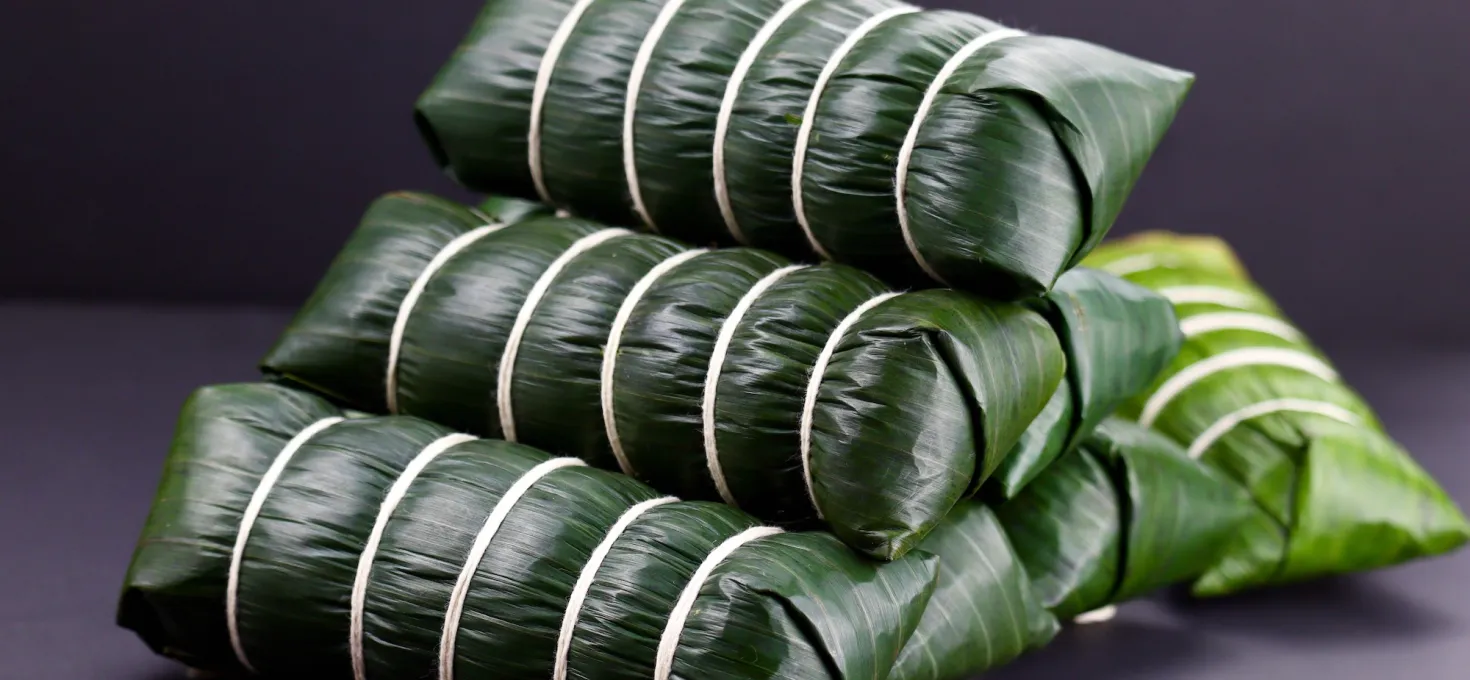
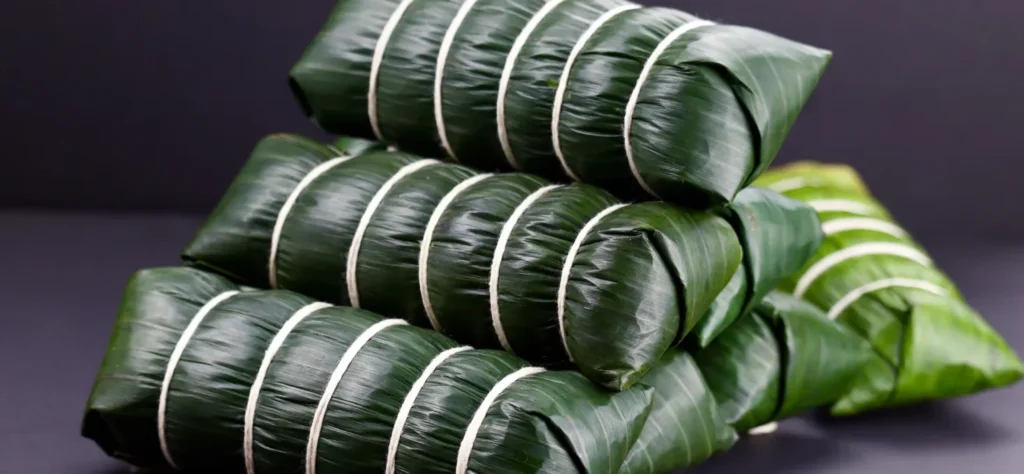
Num Ansom Chrouk is a banana leaf–wrapped sticky rice roll filled with savory pork and creamy mung beans. The rice absorbs coconut milk and seasoning during cooking, creating a firm yet tender texture that holds its cylindrical shape.
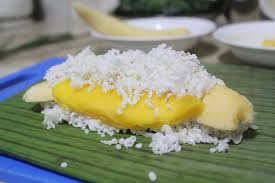
It is considered the savory counterpart to Num Ansom Chek, which contains banana filling instead of meat.
Cultural Importance of Num Ansom Chrouk in Cambodian Cuisine
Num Ansom Chrouk holds ceremonial and symbolic meaning in Cambodian traditions. Families often gather to prepare the cakes together, emphasizing cooperation and respect for ancestral customs.
The dish is commonly used:
- As offerings to ancestors at temples
- During religious festivals
- At weddings and family celebrations
- As travel food due to its long shelf life
Its preparation reflects Khmer culinary heritage and communal cooking traditions.
Key Ingredients in Num Ansom Chrouk
Authentic Num Ansom Chrouk uses:
- Glutinous rice
- Pork belly or pork shoulder
- Split mung beans
- Coconut milk
- Garlic
- Shallots
- Fish sauce
- Black pepper
- Salt
- Banana leaves
The balance between savory filling and lightly seasoned rice defines the dish.
Flavor Profile and Texture
Well-made Num Ansom Chrouk is:
- Firm yet tender
- Savory with subtle coconut richness
- Fragrant from banana leaf wrapping
- Slightly peppery with umami depth
The mung beans create a creamy layer that complements the juicy pork.
Step-by-Step Guide: How to Make Num Ansom Chrouk
Ingredients (Makes 8–10 cakes)
- 1 kg glutinous rice
- 400 g pork belly or pork shoulder, sliced into strips
- 200 g split mung beans, soaked
- 400 ml coconut milk
- 2 tbsp fish sauce
- 4 cloves garlic, minced
- 3 shallots, finely chopped
- 1 tsp black pepper
- 1 tsp salt
- Banana leaves, softened
- Kitchen twine
Instructions
Step 1: Soak the Rice and Mung Beans
Soak glutinous rice and mung beans separately for 6–8 hours or overnight. Drain well.
Step 2: Season the Rice
Mix rice with coconut milk and salt. Let rest for 15–20 minutes to absorb flavor.
Step 3: Prepare the Pork Filling
Combine pork with garlic, shallots, fish sauce, and black pepper. Marinate for at least 30 minutes.
Step 4: Cook the Mung Beans
Steam or boil mung beans until soft but not mushy. Lightly season with salt.
Step 5: Prepare Banana Leaves
Pass banana leaves over heat to soften and prevent cracking.
Step 6: Assemble the Cakes
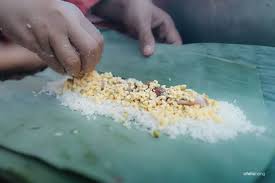
Spread a layer of rice on the banana leaf, add mung beans, place pork in the center, cover with more mung beans and rice.
Step 7: Wrap Tightly
Fold banana leaves into compact cylindrical rolls and secure with twine.
Step 8: Cook the Cakes
Boil or steam for 3–4 hours, ensuring even cooking by turning occasionally if boiling.
Step 9: Rest Before Serving
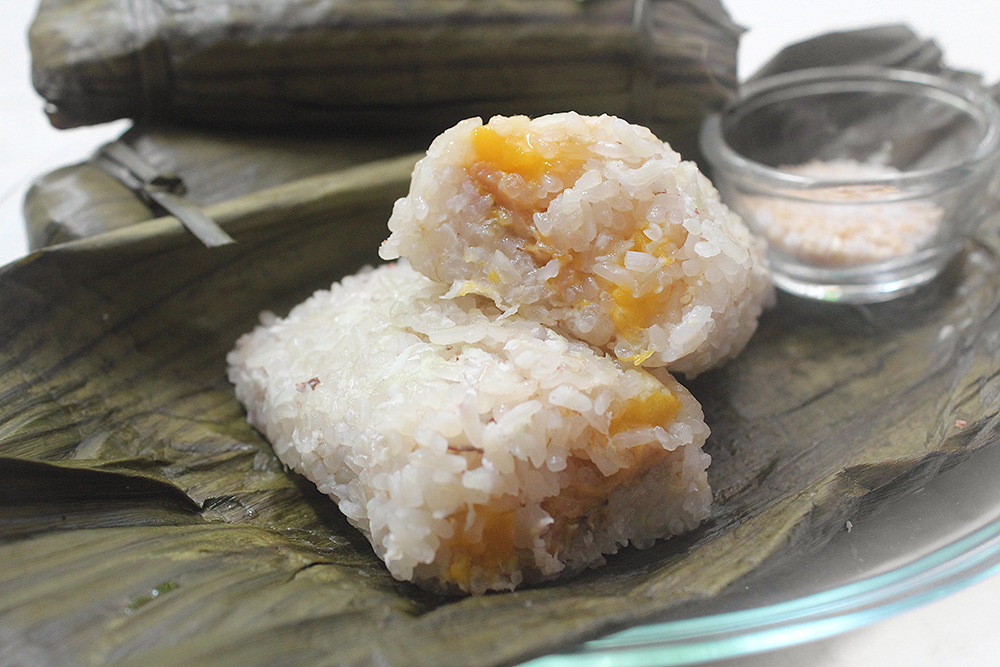
Allow the cakes to cool slightly before slicing.
How to Serve Num Ansom Chrouk
Num Ansom Chrouk is commonly served:
- Warm or at room temperature
- Sliced into rounds
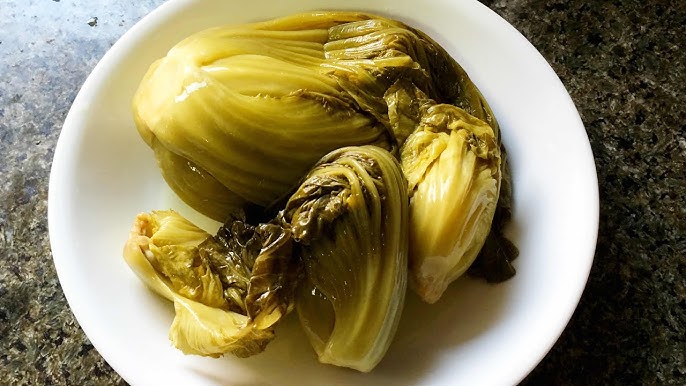
- With pickled vegetables or fresh cucumber
Leftover cakes can be sliced and pan-fried for a crispy exterior.
Tips for Authentic Num Ansom Chrouk
- Wrap tightly to maintain shape
- Use pork with some fat for better flavor
- Avoid overcooking mung beans before assembly
- Allow resting time before cutting
Variations of Num Ansom Chrouk
- Num Ansom with Chicken – lighter alternative
- Mini Num Ansom Rolls – quicker cooking
- Purple Rice Version – nuttier taste and color
Despite variations, traditional pork and mung bean filling remains the most popular.
Why Num Ansom Chrouk Remains a Khmer Classic
Num Ansom Chrouk represents the heart of Cambodian festive cooking. Its rich flavors, long cooking process, and cultural symbolism make it more than just food it is a culinary tradition that unites families and preserves Khmer identity.
Learning to make this dish offers a meaningful connection to Cambodia’s heritage and ceremonial cuisine.